Andrew Morrison, Aspire Bidding Co-Founder and APMP Global Thought Leader, explains how to tease out winning insights from your experts to put your best bid forward.


Bid writers have the responsibility of crafting a bid that is clear, persuasive, and compliant with the response requirements. However, their skills as writers can only take them so far. For a bid to be successful, the bid writers need to gather accurate information from experts in the contract’s field.
This is where subject matter experts come into the equation. They provide the detailed, technical knowledge that makes a bid response truly credible.
Without this detailed, technical knowledge from an expert, the bid will ultimately just sound professional, but it will lack any real substance. The best bids come from effective collaboration between bid writers and subject matter experts. To this end, a bid writer needs to know how to draw out the right information for the bid.
What Type of Expert Input Is Needed?
Not all questions need the same type of support from a subject matter expert. Depending on what exactly the bid writer needs for an effective bid response, there are several options for how to collaborate with an expert:
- Ask the expert to write a technical first draft
- Ask them to create a bullet-point skeleton
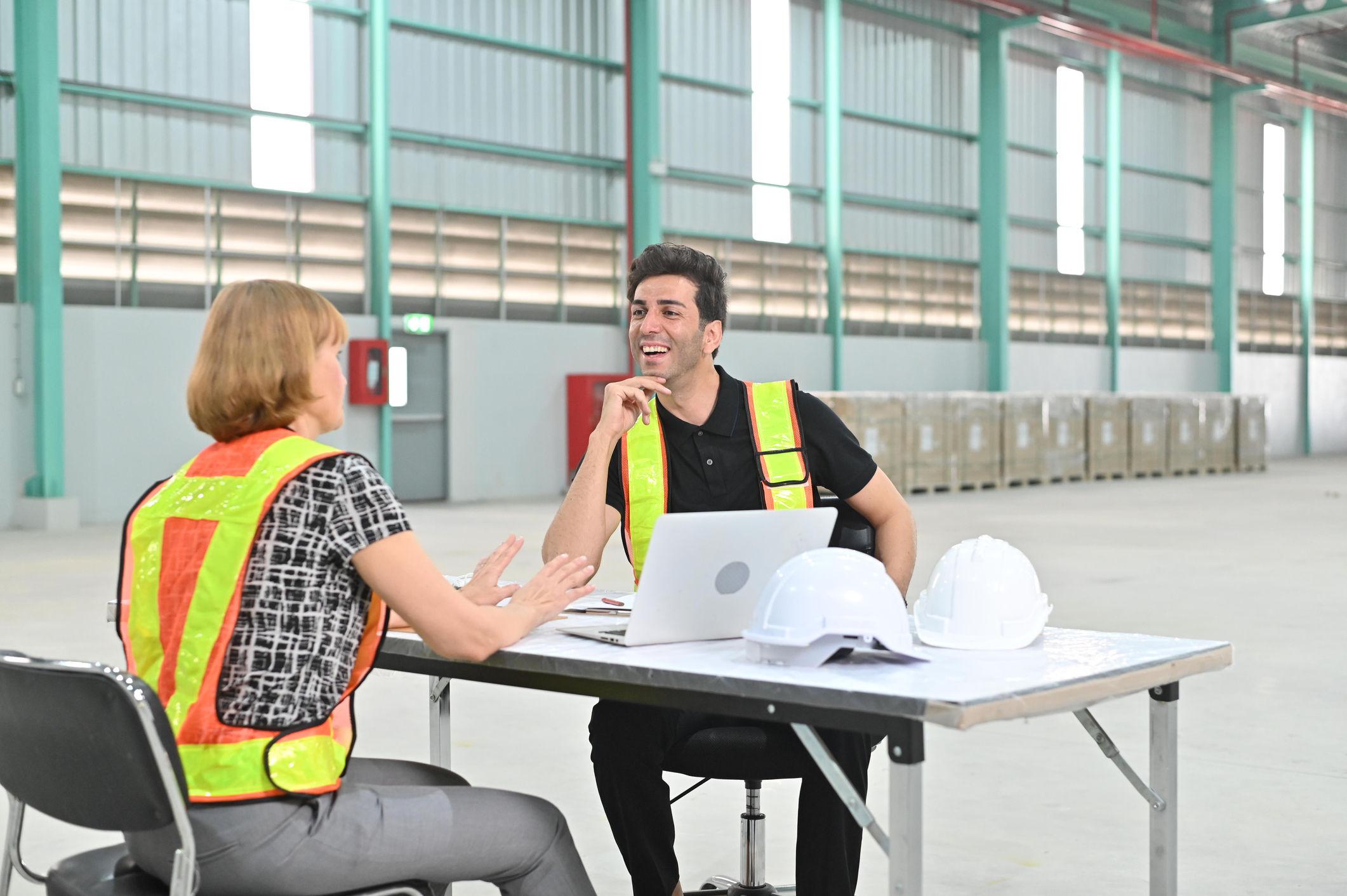
- Interview them on a call or in person
- Ask them to send evidence, data, examples and/or points of clarification
Each method of collaboration has its pros and cons, so the bid writer should give careful thought to what would lead to the best bid response. Highly technical, regulated or delivery-critical sections may need more direct expert involvement. Practical considerations are also relevant. Does the deadline require a quick response? If so, what would be the most efficient way for the expert to convey the information to the bid writer?
Key takeaway: The right approach depends on the complexity of the question, the deadline and the importance of the response.
Prepare Before Speaking to the Expert
Getting the best from a subject matter expert requires careful preparation on the part of the bid writer. There are lots of things they need to consider. They cannot just send a vague request simply asking for information on a certain topic. Before they ask the expert for their input, the writer should consider the following points:
- The question wording
- The evaluation criteria
- The specification
- The contract objectives
- The buyer’s priorities and pain points
- Relevant win themes
- Word count and submission requirements
- Information the organisation already holds for this question
It’s important for the bid writer to have these things in mind as they prepare what exactly to ask the expert. This enables the writer to ask the expert focused questions that actually relate to winning the bid. Otherwise, the bid writer might ask about the topic in a generic sense, and the expert might respond with lots of information that doesn’t really relate to the win themes or doesn’t address the buyer’s priorities.
Key takeaway: Good preparation helps the bid writer to get the best from the subject matter expert.
How the Expert Should Prepare
Preparation on the part of the expert is also important. After all, this is a collaborative process. Just like the bid writer, the expert should also give advance thought to those same aspects of the bid – the specification, the contract objectives, the win themes, etc. The bid writer should provide the expert with their questions in advance. If the subject matter expert did not attend the Bid Kick-Off Meeting, they should be provided with the information deck from the meeting so that they can see all the relevant information. This will enable the expert to think about their technical knowledge through the lens of winning the bid, which could well affect how they present their response, or which technical details they focus on.
Something else that the expert needs to bear in mind is that the buyer’s evaluation panel will be composed of several different people. The average number of evaluators in public sector procurement processes is 5.4. Likely, only one or two of them will be subject matter experts. This means that most of the evaluators will not have the technical understanding of the subject that your subject matter expert has. Therefore, the expert needs to give careful attention to presenting their explanation without lots of technical jargon, in a way that a layperson can understand (unless the buyer specifically asks for a detailed technical response).
Key takeaway: With good preparation and careful thought, the subject matter expert will provide responses that are targeted, clear, and genuinely helpful.
Focusing the Questions and Challenging the Answers
The subject matter expert has the technical knowledge, but the bid writer is the one who understands what the buyer is looking for. This is why good collaboration is vital. The bid writer needs to turn the expert’s knowledge into a strong, high-scoring bid response. For that reason, they need to ask plenty of questions during their communication with the expert. These questions include:
- How would we deliver this in practice?
- What resources would be needed?
- What are the main risks, and how would we control them?
- What evidence proves we can do this?
- How would the buyer benefit from this?
- What would success look like after six months or a year?
- Where have we done something like this recently, and is the example referenceable?
Remember, the buyer is looking for specific, measureable, evidence-based claims. Without the answers to the above questions, the bid won’t be credible.
As well as these questions, the bid writer should also constructively challenge the expert’s responses. This is what will really contribute to a strong, winning bid response. The bid writer should ask:
- Is this the only way it can be done?
- Is this the safest, most efficient or most innovative approach?
- How are competitors likely to answer this?
- How is this being done in other sectors?
- What would reduce cost, risk or disruption for the buyer?
- Is there scope for innovation and/or added value?
Key takeaway: Constructive challenge helps uncover a sharper, stronger and more persuasive solution.
Turn Expert Input into a Persuasive Response
With the technical knowledge that the subject matter expert has provided, the bid writer now has the responsibility to craft that into a winning bid response. They need to make sure the response fulfils the following criteria:
- Answers the question directly – Does the information provided by the expert really answer what the buyer wants to know?
- Follows the evaluation criteria – Does the response exactly match what the buyer has asked for?
- Uses the buyer’s language – All terms used in the bid response should be consistent with the terms used by the buyer
- Explains benefits and outcomes – The bid writer needs to turn the technical information into a clear explanation of how it will benefit the buyer
- Includes evidence and examples – Evidence shows the evaluators that your solution works, and examples will help them understand any complex technical processes involved in it
- Removes irrelevant detail – Unnecessary technical information will take the evaluators’ focus away from what they really need to know
- Stays within the word count – The expert’s explanation might need to be trimmed to accommodate the word count limit
While the expert provides the technical substance of the response, the bid writer cares for the structure, clarity, and persuasiveness of the response.
Key takeaway: Strong bid writing turns technical information into a clear, buyer-focused and evidence-led answer.
Take the Draft Back for Expert Review
As the bid writer transforms the expert’s information into a clear, well-written, persuasive response, there is a chance that some accuracy might be lost, or some errors might creep in, or some important details might be left out. This is why it’s important to have the subject matter expert review the bid writer’s draft.
During this review of the draft, the bid writer should ask them to check for several potential issues. Is the information still completely accurate? Are all the necessary technical details included? Does the bid response accurately portray the deliverability of the solution? Are there any risks that haven’t been addressed or assumptions that have been made? Is all of the terminology correct? Does the bid response oversell the solution by making promises that cannot realistically be delivered? Is there any excessive detail that can be removed without losing coherence within the technical explanation?
Key takeaway: Expert review ensures that the final bid response is accurate, deliverable, and coherent.
Better Expert Engagement Leads to Better Bids
The bid writer cannot win the tender purely by writing persuasively. Effective collaboration with subject matter experts is essential to producing strong bid responses. The bid writer should prepare well, ask the expert focused questions, constructively challenge their explanations, shape the information into a persuasive answer, and then return it for expert review. This close collaboration with experts will lead to the bid team presenting stronger evidence, sharper answers, and ultimately more competitive bids than they could produce in a vacuum.
Do you struggle to get the most from your experts? If so, contact us
For more industry-leading insights, follow Aspire Bidding on LinkedIn→